
Well Water Smells Like Chemicals, Gasoline or Solvent
A fuel, solvent or chemical smell is the one well water symptom that is a stop sign. Stop drinking, stop bathing the kids in it, and get a volatile organic compound test this week.
Likely causes
- Leaking fuel tank or spilled gasoline nearby
- Dry cleaning or industrial solvents in groundwater
- Pesticide or herbicide runoff
- Chlorine left from a recent well disinfection
Tests to order
- Volatile organic compounds
- Total petroleum hydrocarbons
- Pesticides
- Chlorine residual if the well was just shocked
Treatment options
- Stop using the water for drinking and bathing
- Whole-house activated carbon
- Aeration for volatiles
- Alternate water source while the plume is investigated
Rule out the harmless one first
If the well was disinfected in the last two weeks, a chlorine or swimming pool smell is expected and clears with flushing. Anything that smells like gasoline, diesel, paint thinner, nail polish remover or a sweet chemical is not expected and is not something to wait on.
The test and the phone call
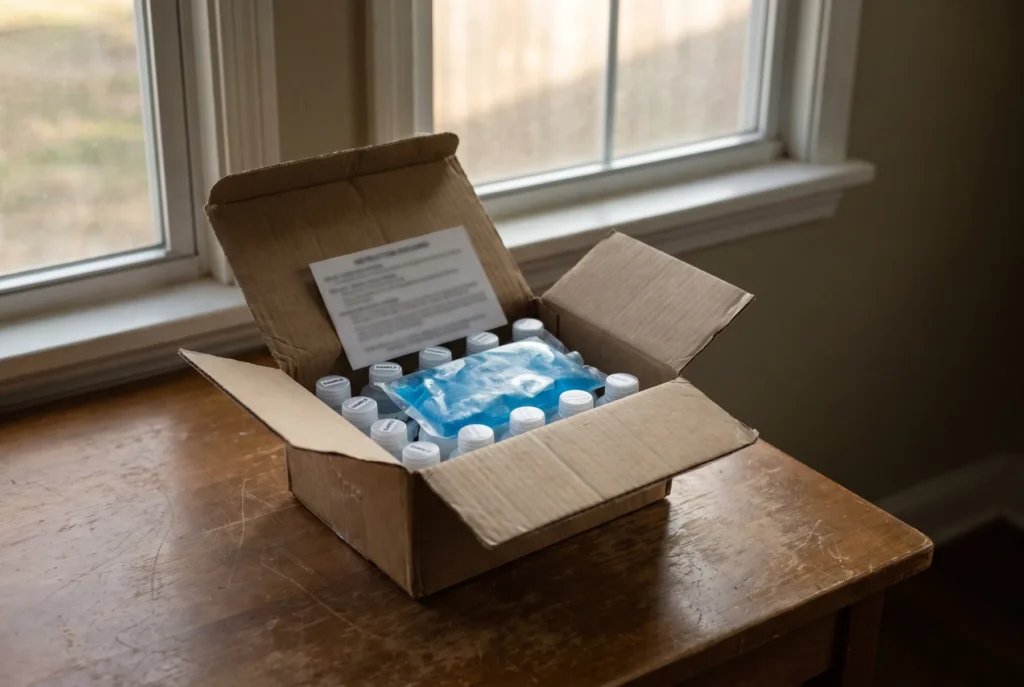
Ask a certified lab for a VOC panel by EPA Method 524.2 and, if fuel is suspected, total petroleum hydrocarbons. VOC samples need special vials with no air space, so use the lab’s bottles and their instructions. At the same time call your state environmental agency or county health department. Fuel and solvent plumes usually have a responsible party, there may be a known cleanup site nearby, and some states pay for testing and treatment in those areas.
Do not drink it, and do not shower in it either
Volatile compounds enter the body through the lungs in a hot shower as readily as through the stomach. Use bottled water for drinking and cooking and shorten showers until results are back. If the lab confirms VOCs, a whole-house activated carbon system, $1,500 to $4,000, removes most solvents and fuel components. An aeration system handles high levels. Neither replaces finding the source.
Could it be my own septic system?
Sewage smells musty or like rotten eggs, not like fuel. A chemical smell points to petroleum, solvents or pesticides.
Who pays if a nearby tank leaked?
Usually the tank owner, through the state’s leaking tank fund. Report it; a documented well test is your evidence.