
Nobody tests your well water for you.
Find out what is in it, who is licensed to fix it, and what your state actually requires. Every contractor and lab here is checked against state records.
9,425 licensed contractors · 1,030 certified labs · 2,048 counties
From the first sign to safe water, in five steps.
No guesswork. This is the order a well problem actually gets solved in, and every step links to the page or tool that does it.
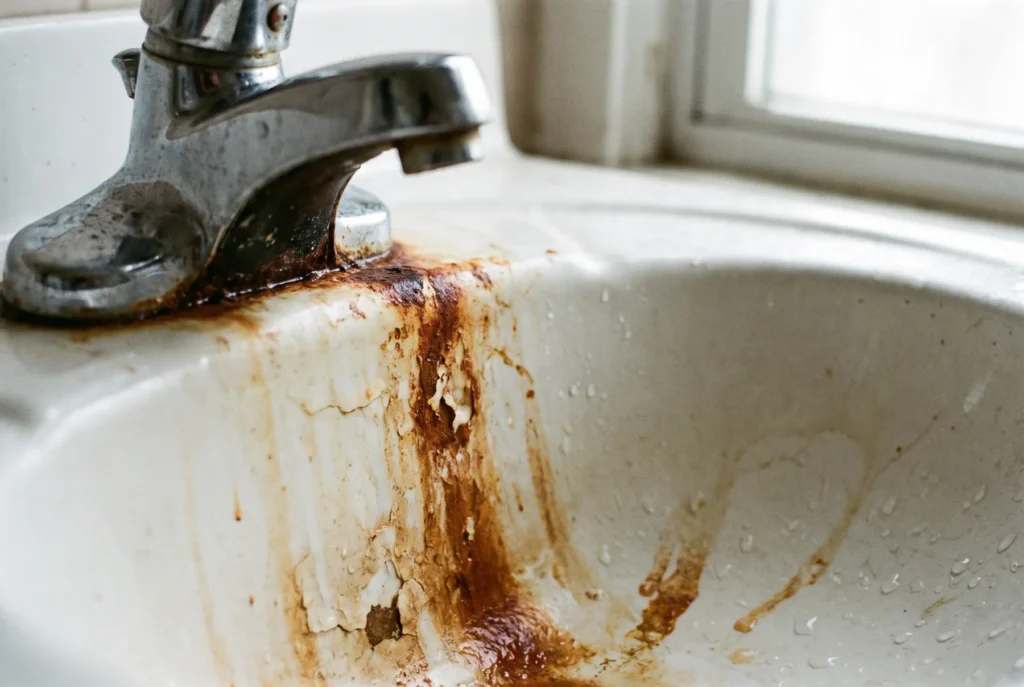
Something is off. A smell, a stain, a weak shower.
Most well problems announce themselves. Our symptom guides tell you what each one usually means and whether it can wait.
Run the symptom checker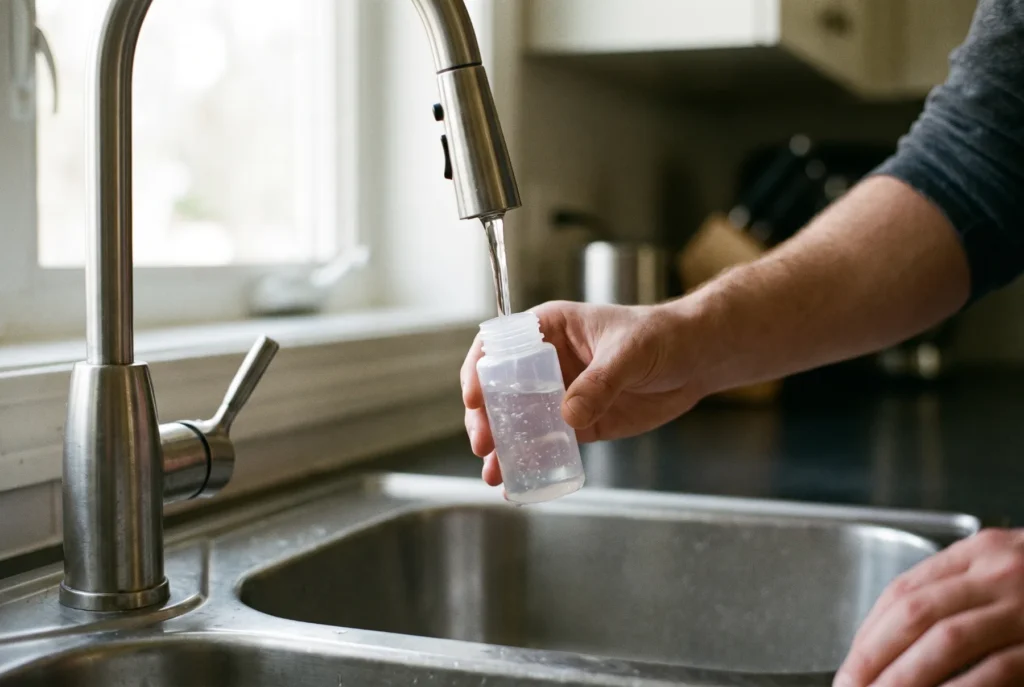
Get a certified lab to tell you what is really there.
Pick a state-certified lab within 40 miles or a mail-in kit. Bacteria and nitrate every year, a full metals panel every few years.
Find a certified lab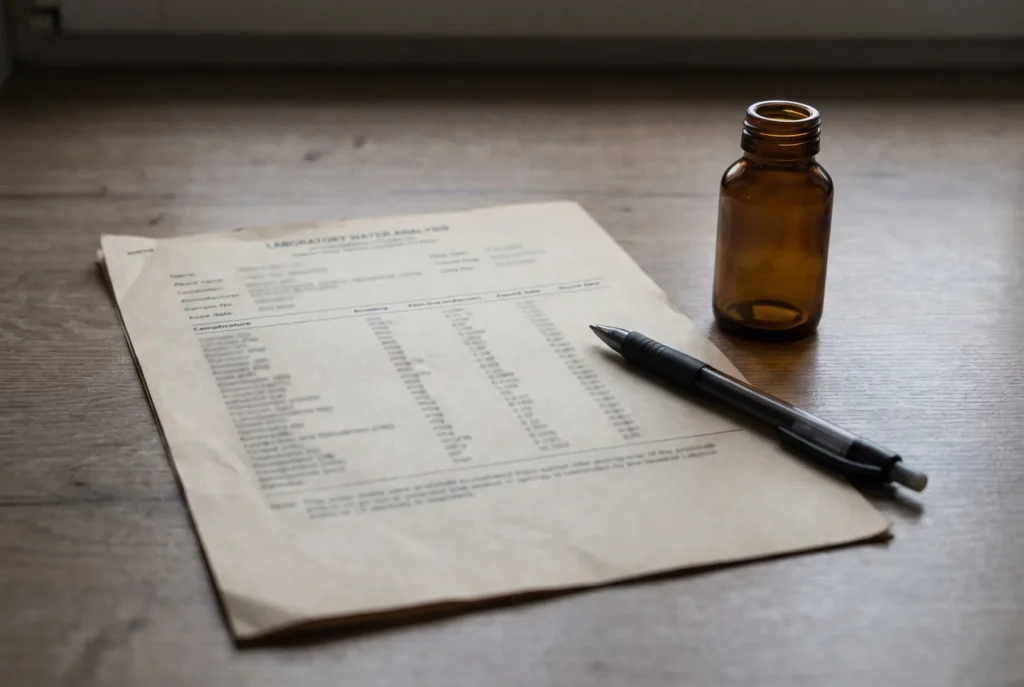
Understand the report, line by line.
Which numbers are health limits and which are nuisance limits, what to stop drinking, and what can wait until spring.
How to read a water test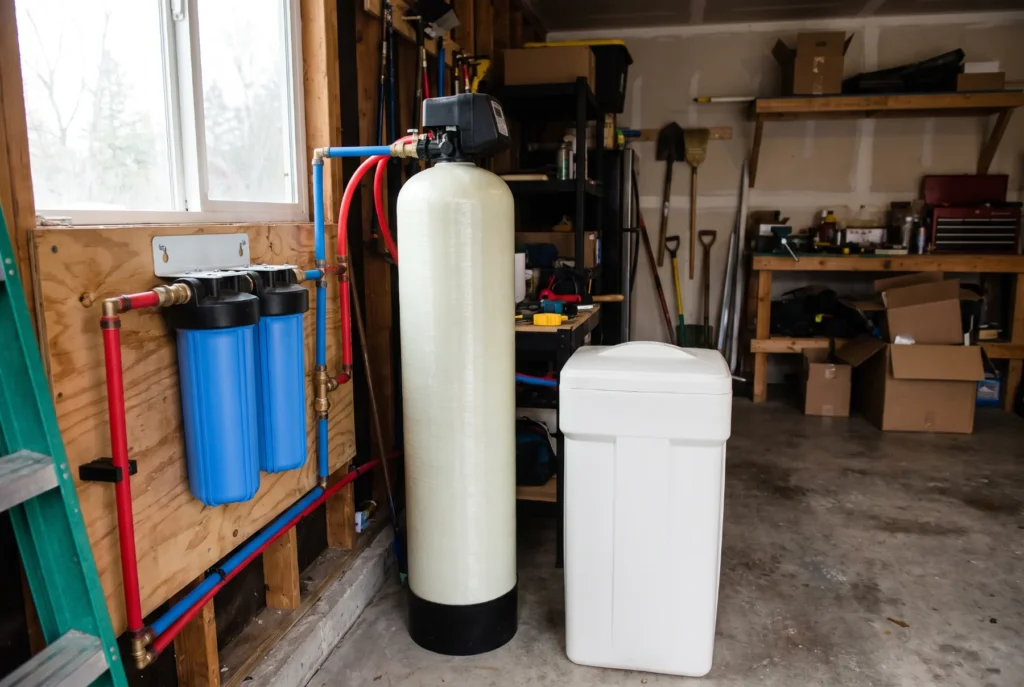
Size the treatment, or hire someone licensed to do it.
The sizing tool turns your numbers into a treatment train with real costs. The directory shows who holds a current license to install it.
Size a treatment system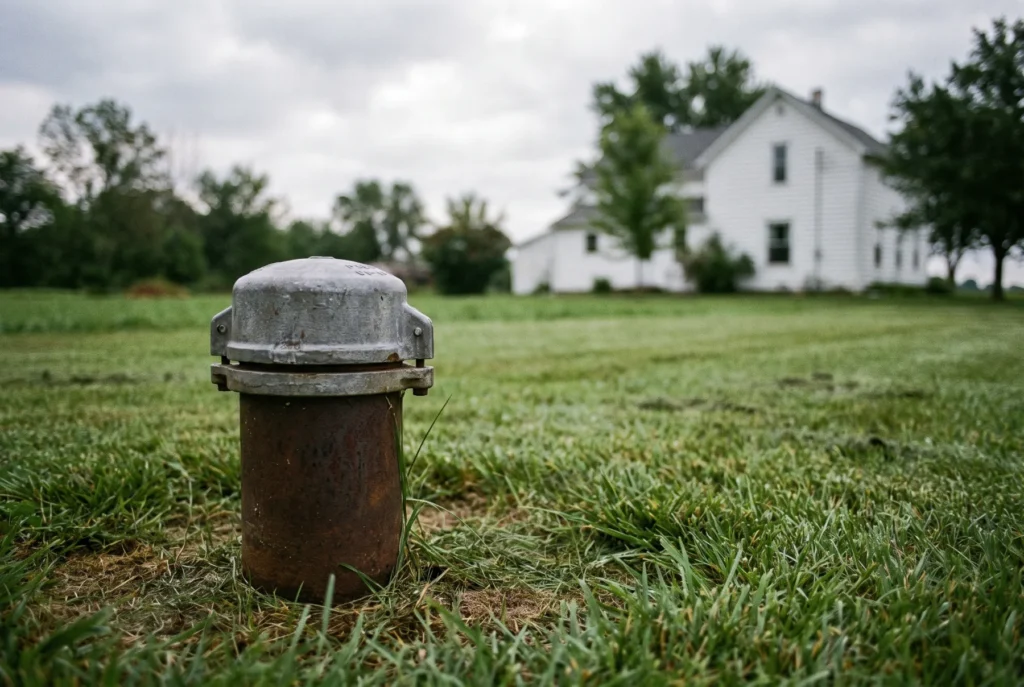
Know your county, your rules and your well.
County pages carry local rules, typical well depth, nearby labs and the licensed contractors who work there. Test yearly and keep the reports.
Open your county page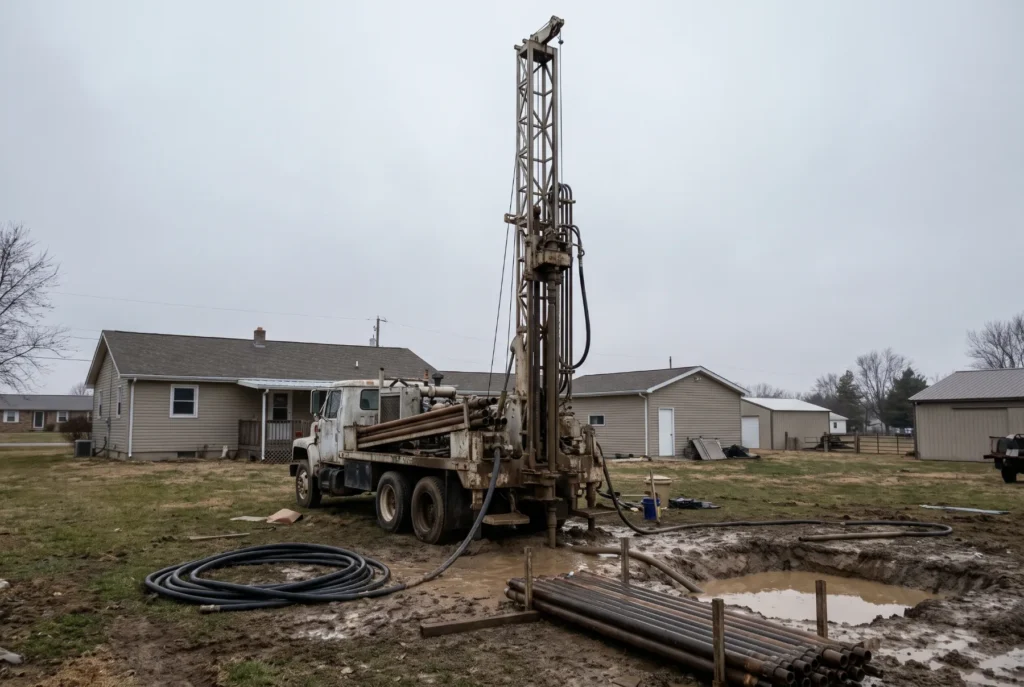
Built from state records, not sales listings
- Licenses checked against the state
Each contractor is matched to the official licensing list for their state, with the license number, status and the date we last checked it.
- Labs from the certified list
Every lab comes from the state drinking water certification program, so the results hold up with your health department or a buyer.
- County-level facts
How many people in your county rely on wells, typical depth, common contaminants, and whether a test is required when a home is sold.
Rules, labs and licensed contractors, state by state
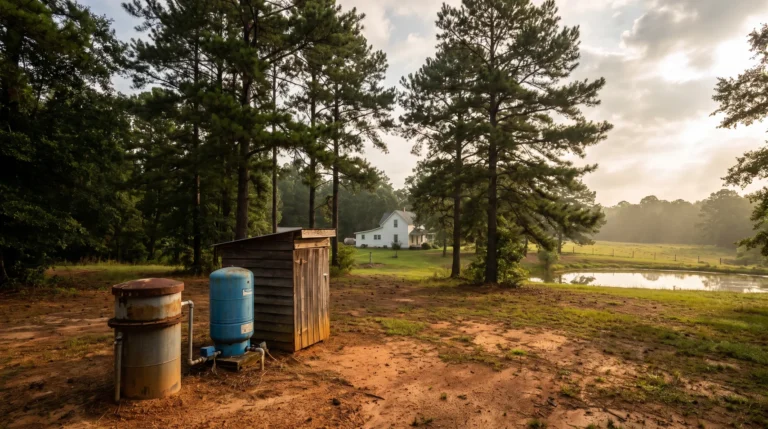
Alabama
- Contractors
- 150
- Labs
- 14
- Counties
- 67
Arizona
- Contractors
- 177
- Labs
- 28
- Counties
- 15
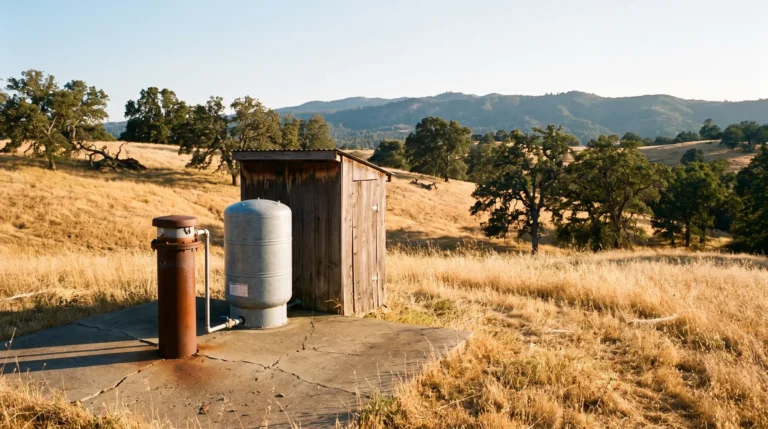
California
- Contractors
- 716
- Labs
- 101
- Counties
- 58
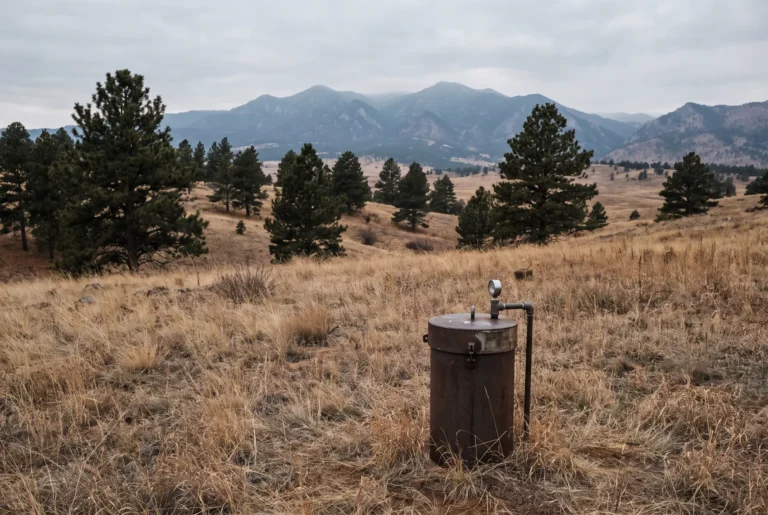
Colorado
- Contractors
- 242
- Labs
- 54
- Counties
- 64
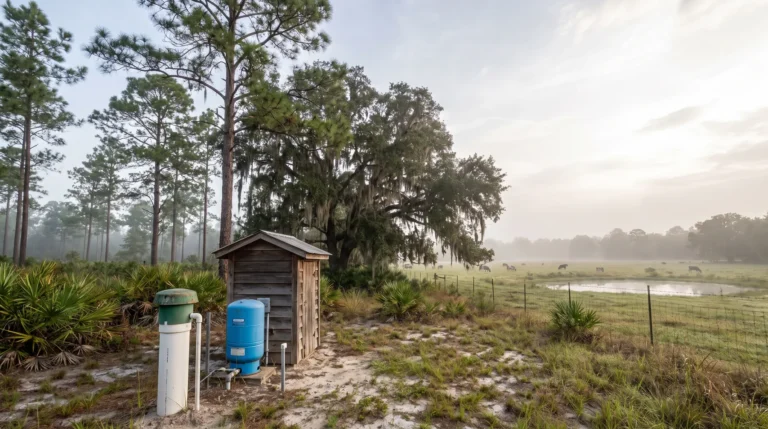
Florida
- Contractors
- 902
- Labs
- 63
- Counties
- 67
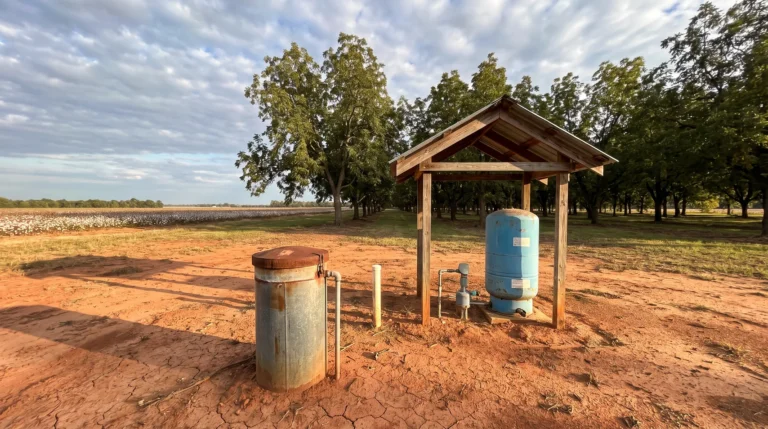
Georgia
- Contractors
- 333
- Labs
- 12
- Counties
- 156
Illinois
- Contractors
- 277
- Labs
- 31
- Counties
- 102
Indiana
- Contractors
- 327
- Labs
- 47
- Counties
- 92
Kentucky
- Contractors
- 72
- Labs
- 17
- Counties
- 120
Maine
- Contractors
- 135
- Labs
- 12
- Counties
- 16
Maryland
- Contractors
- 143
- Labs
- 20
- Counties
- 23
Michigan
- Contractors
- 571
- Labs
- 55
- Counties
- 83
Minnesota
- Contractors
- 237
- Labs
- 28
- Counties
- 86
Missouri
- Contractors
- 372
- Labs
- 27
- Counties
- 114
Montana
- Contractors
- 104
- Labs
- 28
- Counties
- 56
New Hampshire
- Contractors
- 172
- Labs
- 10
- Counties
- 10
New York
- Contractors
- 493
- Labs
- 45
- Counties
- 56
North Carolina
- Contractors
- 607
- Labs
- 90
- Counties
- 100
Ohio
- Contractors
- 606
- Labs
- 39
- Counties
- 86
Oregon
- Contractors
- 162
- Labs
- 20
- Counties
- 36
Pennsylvania
- Contractors
- 294
- Labs
- 138
- Counties
- 67
Tennessee
- Contractors
- 236
- Labs
- 15
- Counties
- 95
Texas
- Contractors
- 1,444
- Labs
- 54
- Counties
- 254
Virginia
- Contractors
- 227
- Labs
- 36
- Counties
- 114
Washington
- Contractors
- 218
- Labs
- 38
- Counties
- 39
Wisconsin
- Contractors
- 1,076
- Labs
- 72
- Counties
- 72
More states We add a state when its full license list, certified labs and county data are loaded. Ask for yours on the contact page.
Four tools that do the math for you
Start with what you notice
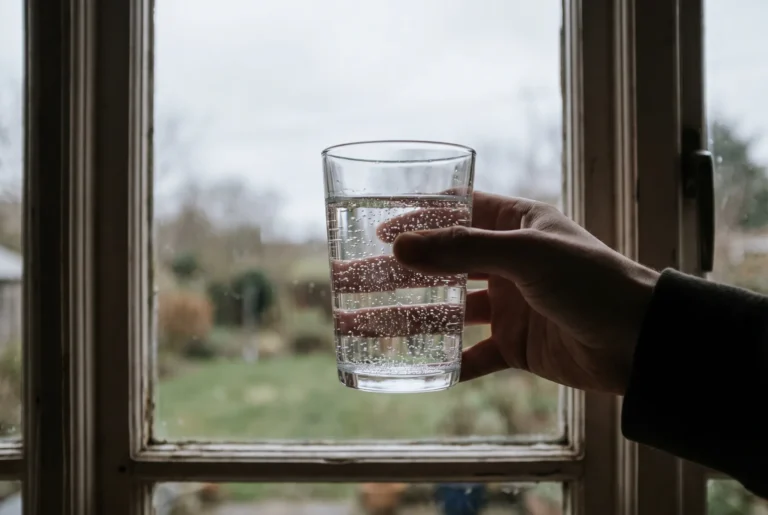
Sink Smells Like Rotten Eggs? How to Find the Source and Fix It
A sink that smells like rotten eggs has one of two sources: the water or the drain. Fill a glass, step away…
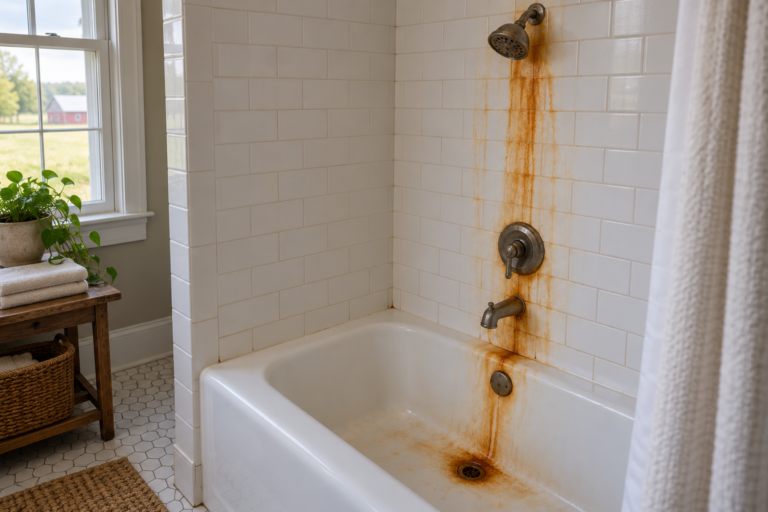
Iron in Well Water: Orange Stains, Rusty Water and How to Remove It
Orange stains in the sink, rust rings in the toilet and yellow laundry all point to iron. Here is how to tell…
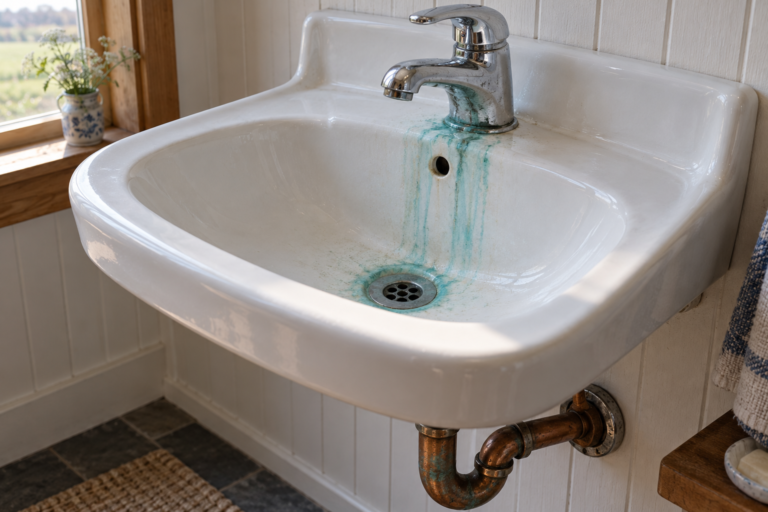
Blue-Green Stains From Well Water: Copper, Acidic Water and How to Fix It
Blue or green stains where water drips are copper from your own pipes, dissolved by acidic well water. Here is what it…
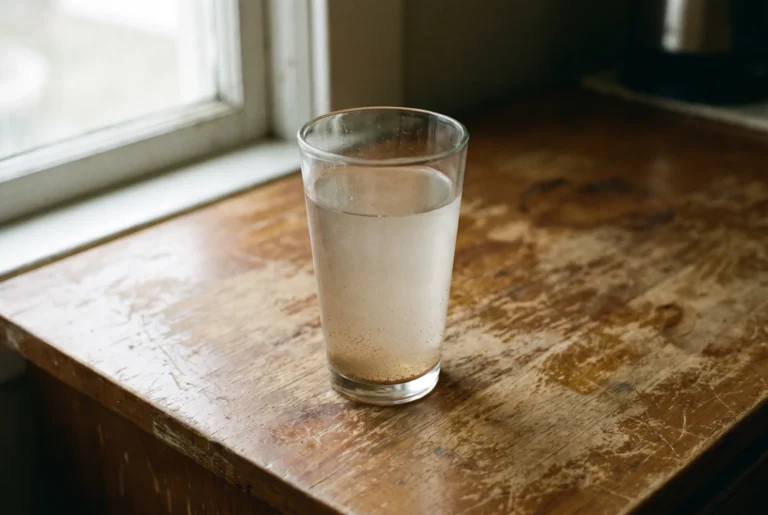
Cloudy Well Water: Air, Sand or Surface Water? How to Tell and Fix It
Cloudy well water is usually air, sand from the well, or surface water getting in. A clear glass tells you which in…
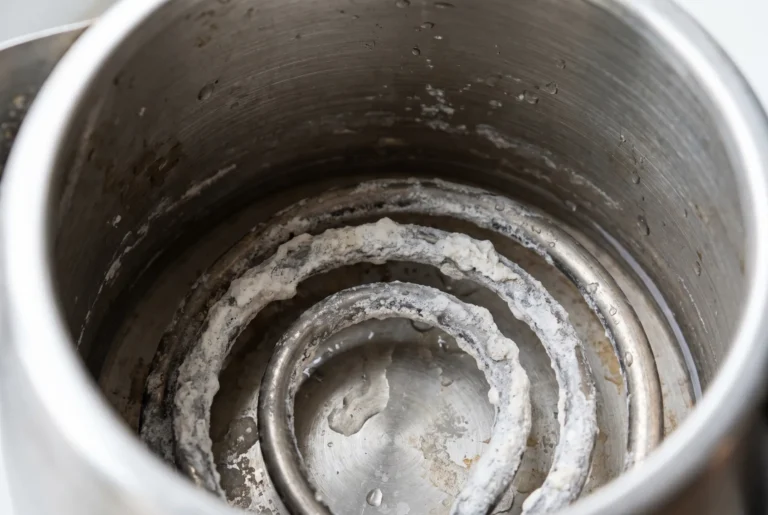
Hard Well Water: Hardness Chart, Health Facts and How to Treat It
Hard well water is calcium and magnesium picked up from rock underground. It's safe to drink, but above about 7 grains per…
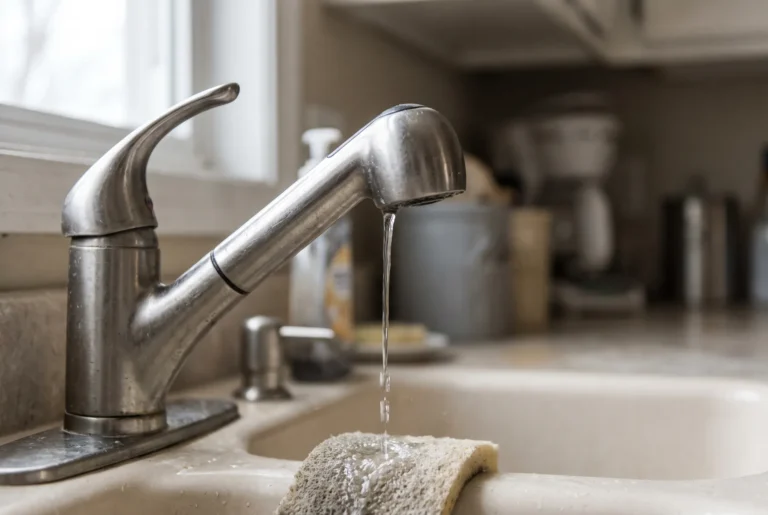
Low Water Pressure on a Well: Causes and Fixes
Low pressure on a well almost always comes from five parts: a clogged filter, the pressure tank, the switch, the pump or…
Licensed contractor or certified lab?
Your listing is already here because you are on the state list. Claim it to add a description, hours and photos, correct the contact details, and get the claimed badge homeowners look for.
Claim your listingYour Well & Pump Co.
License 0000 Active
- Well drilling
- Pump installation
- Water treatment
Questions well owners ask us
Something else? The problem guides go deeper on every one of these.
How often should I test my well water?
Bacteria and nitrate once a year, a broader panel with metals every three years, and again after any repair, flood, or change in taste, smell or color. Your state page lists what its health department recommends.
Are the contractors here vetted or reviewed?
Neither. They are verified. Each listing is matched to the state license or certification list and shows the license number, its status and the date we checked. That is a fact, not an opinion, and you can confirm it on the state lookup from every profile.
What does a well water test cost?
At state, county and university labs, a bacteria test costs about $10 to $60 and a nitrate test about $10 to $80. A broad panel with metals runs about $85 to $450. County health department and state labs are usually the cheapest route, and each state page lists the fees labs there publish.
Is well water safe to drink?
Often, but only a test can say. A national USGS study found about 1 in 5 private wells (23%) had at least one contaminant at a level of health concern, and none of the serious contaminants (arsenic, nitrate, lead, uranium) have a taste or smell.
Which states are covered?
26 states so far: Alabama, Arizona, California, Colorado, Florida, Georgia, Illinois, Indiana, Kentucky, Maine, Maryland, Michigan, Minnesota, Missouri, Montana, New Hampshire, New York, North Carolina, Ohio, Oregon, Pennsylvania, Tennessee, Texas, Virginia, Washington and Wisconsin. Each has a state guide, county pages, certified labs and licensed contractors. We add a state only when its full license list, certified labs and county data are loaded.
Not sure where to start? Test first.
A certified lab test costs less than a service call and tells you exactly what to fix. Find a lab that takes homeowner samples near you.